Planning a Kids' Birthday Party at the Lanes? What Makes Bowling Stress-Free
Frame Construction and Long-Term Stability
Hardwood vs. MDF Frame Construction
Solid hardwood frames, typically poplar or maple, hold their dimensions across seasonal humidity changes and provide a stable anchor for the leg bolts that carry the table's total weight. MDF and particle board frames are used in budget builds and perform adequately in climate-controlled rooms but will swell, delaminate, and lose structural integrity in spaces with humidity fluctuations above 20 percent, which is relevant in Indiana where interior humidity can swing from 25 percent in winter to 70 percent in summer without a whole-home humidity management system in place.
Leg levelers on quality tables use a threaded steel foot of at least 2.5 inches in diameter. Narrow plastic leveling feet concentrate load on a small contact point, which can compress or crack hardwood flooring over time and introduce micro-shifts in table level that accumulate.
The cabinet and frame beneath the slate carry every force the game puts on the table, and wood quality here is not cosmetic.
TIP: After initial installation, re-level your table at 30 days and again at 90 days. Slate and frame components settle as wood fibers equilibrate to the room's ambient humidity, and the first season of use is when most leveling drift occurs.
Quick Answer: A kids' birthday party at the bowling lanes is stress-free because the venue does the heavy lifting you would otherwise carry at home. There is no house to clean, no games to invent, and no set to build, since the lanes, bumpers, music, and food are already in place. Book the date a couple of weeks out, keep the guest list right-sized for the number of kids per lane, and let a party host run the schedule while you enjoy the day. Bumpers and lightweight balls keep every child in the game, so gutter balls do not turn into tears. The result is a celebration that mostly runs itself.
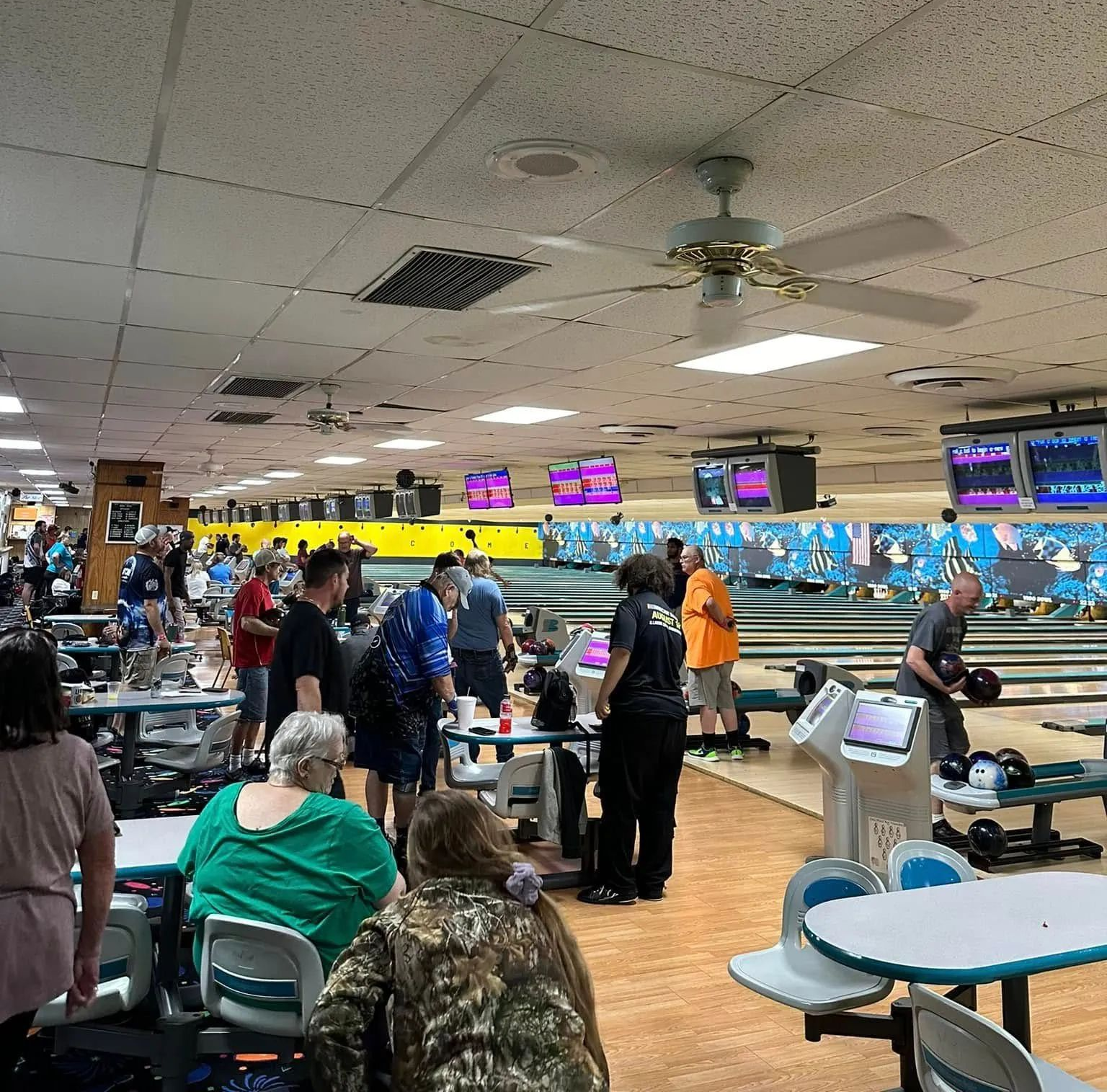
Picture the morning of your child's birthday when the party is at your house. You are mopping the kitchen, blowing up balloons, keeping one eye on the oven and the other on a driveway that is about to fill with cars, and you have not even thought about what fifteen kids are going to do for two hours. Now picture the other version. You walk into a bowling center, hand a name off to a host, and the lanes, the music, the pizza, and the cleanup are already handled. The only thing left for you to do is watch your kid grin every time the pins go down.
That gap between the two mornings is the whole reason so many parents move the party out of the living room and onto the lanes. A bowling party is not just a change of scenery. It shifts most of the work that usually lands on you onto a venue built to absorb it, and it hands the kids an activity that entertains itself. Here in Terre Haute and across Vigo County, families reach for the lanes when they want a birthday that feels like a celebration instead of a project. Here is what actually makes it stress-free, and how to set yours up so it runs smoothly from the first frame to the last slice of cake.
Frame Construction and Long-Term Stability
Hardwood vs. MDF Frame Construction
Solid hardwood frames, typically poplar or maple, hold their dimensions across seasonal humidity changes and provide a stable anchor for the leg bolts that carry the table's total weight. MDF and particle board frames are used in budget builds and perform adequately in climate-controlled rooms but will swell, delaminate, and lose structural integrity in spaces with humidity fluctuations above 20 percent, which is relevant in Indiana where interior humidity can swing from 25 percent in winter to 70 percent in summer without a whole-home humidity management system in place.
Leg levelers on quality tables use a threaded steel foot of at least 2.5 inches in diameter. Narrow plastic leveling feet concentrate load on a small contact point, which can compress or crack hardwood flooring over time and introduce micro-shifts in table level that accumulate.
The cabinet and frame beneath the slate carry every force the game puts on the table, and wood quality here is not cosmetic.
TIP: After initial installation, re-level your table at 30 days and again at 90 days. Slate and frame components settle as wood fibers equilibrate to the room's ambient humidity, and the first season of use is when most leveling drift occurs.
Why the Lanes Take the Pressure Off You
The single biggest source of party stress is the amount of work that piles onto the host, and most of that work disappears the moment you leave your own kitchen. When you host at home, you own every step: cleaning before, decorating, cooking, refereeing the activity, and cleaning again after everyone leaves. Hosting outside the home strips away the cleaning, the decorating, and the food prep in one move, which is exactly why party planners point families toward a venue when the goal is to keep stress low.
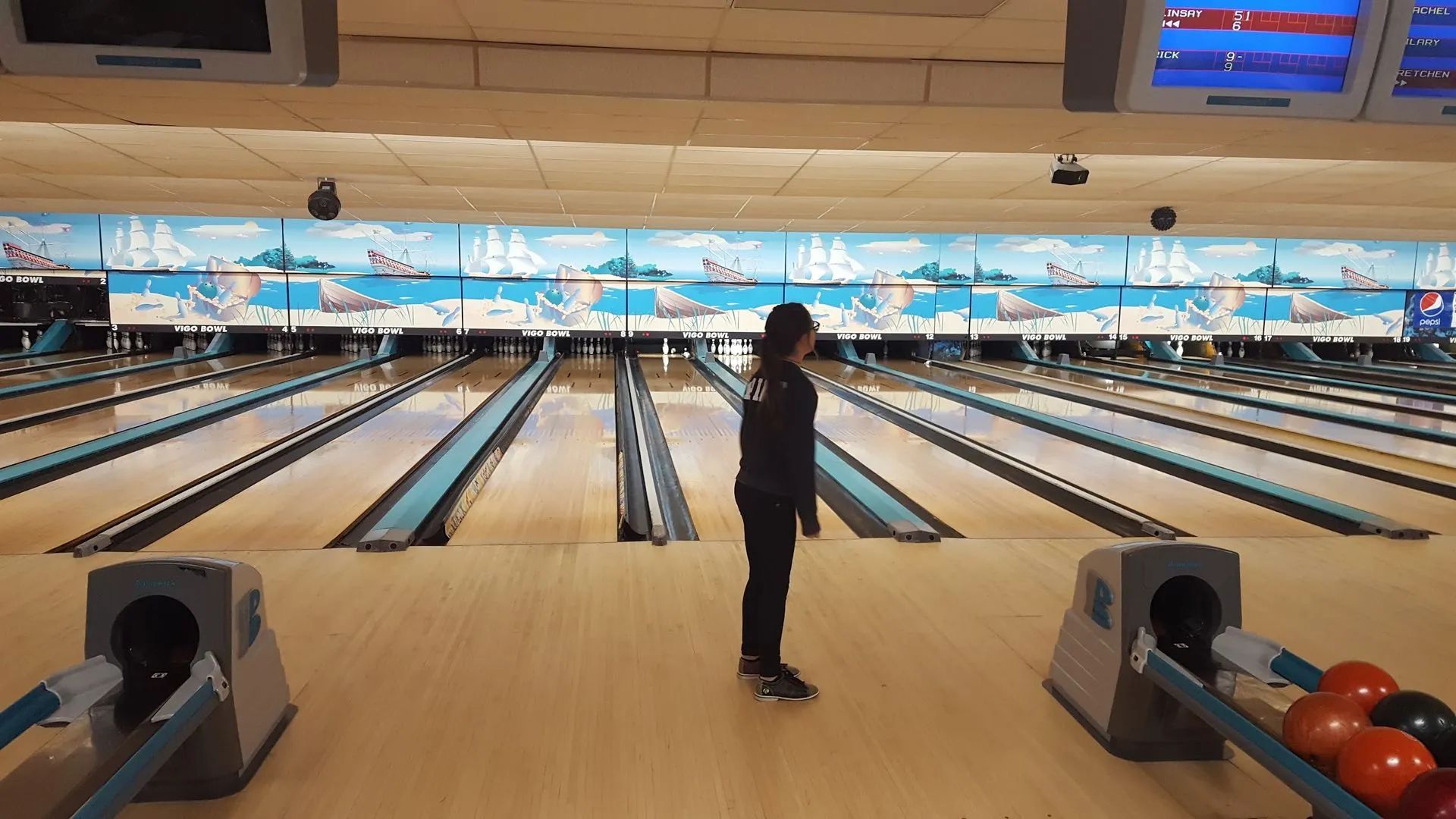
A bowling center goes a step further because the entertainment is already built in. You are not inventing games or renting a bounce house or hoping a craft holds a room of six-year-olds for an hour. The lanes are the activity, and they run on their own energy. Every kid gets turns, the pins reset themselves, and the natural rhythm of a game gives you built-in pauses for cake, presents, and food without you having to orchestrate a single transition.
The cleanup problem, solved. Ask any parent what they dread most about a home party and the answer is usually the end of it, when the guests are gone and the mess is not. At the lanes, the tables get cleared and wiped, the floors get handled, and you walk out with your gifts and your leftover cake instead of a sink full of dishes. That one difference, not owning the cleanup, is what turns the afternoon from a chore you survive into an event you actually enjoy.
Frame Construction and Long-Term Stability
Hardwood vs. MDF Frame Construction
Solid hardwood frames, typically poplar or maple, hold their dimensions across seasonal humidity changes and provide a stable anchor for the leg bolts that carry the table's total weight. MDF and particle board frames are used in budget builds and perform adequately in climate-controlled rooms but will swell, delaminate, and lose structural integrity in spaces with humidity fluctuations above 20 percent, which is relevant in Indiana where interior humidity can swing from 25 percent in winter to 70 percent in summer without a whole-home humidity management system in place.
Leg levelers on quality tables use a threaded steel foot of at least 2.5 inches in diameter. Narrow plastic leveling feet concentrate load on a small contact point, which can compress or crack hardwood flooring over time and introduce micro-shifts in table level that accumulate.
The cabinet and frame beneath the slate carry every force the game puts on the table, and wood quality here is not cosmetic.
TIP: After initial installation, re-level your table at 30 days and again at 90 days. Slate and frame components settle as wood fibers equilibrate to the room's ambient humidity, and the first season of use is when most leveling drift occurs.
Book Early and Keep the List Right-Sized
A relaxed party starts weeks before anyone shows up, and the two decisions that matter most are when you book and how many kids you invite. Reserve your date and time as soon as you know them, because weekend afternoon slots are the first to fill, especially for families traveling in from Brazil, Clinton, and West Terre Haute. Many centers ask for booking at least two weeks in advance so your preferred time and party space are still open. Locking the date early also removes the low-grade worry that hums under every unplanned party.
Guest count is the other lever. It is tempting to invite the whole class, but the number of kids should match the number of lanes and seats you have, so nobody spends the party waiting a long time for a turn. A common sweet spot for a bowling party lands somewhere between eight and twenty guests, which keeps two or three lanes busy without leaving a line of restless kids tapping their feet. If your list is bigger, that is not a problem, it just means adding lanes so the group stays in motion rather than stacked up behind one another.
A planning rhythm that keeps you calm. You do not need a spreadsheet, but a loose timeline helps. Roughly two weeks out, confirm the booking and order the cake if you are buying one. About three days before, finish the small stuff like party favors. The day of, you show up with the cake and any decorations you want to add, and the venue handles the rest. Breaking the tasks into small steps over a couple of weeks is the difference between arriving relaxed and arriving at the party already worn out.
Tip: Ask whether the center has a private party room or reserved space when you book. Having a dedicated spot for cake, gifts, and coats keeps the birthday child's belongings together and gives you a home base, which makes the whole afternoon feel more organized and far less scattered.
Frame Construction and Long-Term Stability
Hardwood vs. MDF Frame Construction
Solid hardwood frames, typically poplar or maple, hold their dimensions across seasonal humidity changes and provide a stable anchor for the leg bolts that carry the table's total weight. MDF and particle board frames are used in budget builds and perform adequately in climate-controlled rooms but will swell, delaminate, and lose structural integrity in spaces with humidity fluctuations above 20 percent, which is relevant in Indiana where interior humidity can swing from 25 percent in winter to 70 percent in summer without a whole-home humidity management system in place.
Leg levelers on quality tables use a threaded steel foot of at least 2.5 inches in diameter. Narrow plastic leveling feet concentrate load on a small contact point, which can compress or crack hardwood flooring over time and introduce micro-shifts in table level that accumulate.
The cabinet and frame beneath the slate carry every force the game puts on the table, and wood quality here is not cosmetic.
TIP: After initial installation, re-level your table at 30 days and again at 90 days. Slate and frame components settle as wood fibers equilibrate to the room's ambient humidity, and the first season of use is when most leveling drift occurs.
What Makes Bowling Work for Every Kid at the Party
The fear that stops some parents from choosing the lanes is the picture of a shy five-year-old rolling gutter ball after gutter ball while the room watches. Modern bowling erases that worry with three simple tools, and understanding them is what lets you relax about the mix of ages you invited.
Bumpers are the first. These are the barriers that rise up along the gutters so a ball physically cannot roll off the side. With bumpers in place, every roll reaches the pins and something falls, which means no frustrating misses and a lot more cheering. For young children, bumpers are the single biggest difference between a great first visit and a meltdown. Most centers keep bumpers available for the youngest bowlers, typically for kids up to around age ten, so the little ones stay in the game alongside their older friends.
Ramps are the second tool, and they are a small slide set at the start of the lane. A child pushes the ball off the top and watches it roll straight toward the pins, with no throwing motion required at all. That makes ramps perfect for toddlers or any kid who is not quite strong enough to roll on their own. Paired with a lightweight ball, often as light as six pounds, even the smallest guest at the party gets to play a real game and knock down real pins.
Why this matters for a mixed group. A birthday guest list is rarely all the same age. You will have a couple of confident older kids, a cluster right in the birthday child's grade, and often a younger sibling or two tagging along. Bumpers, ramps, and light balls level the field so all of them play the same game at the same time, cheering for each other instead of splitting into the kids who can and the kids who cannot. That shared experience is what makes bowling click as a group activity for children.
Frame Construction and Long-Term Stability
Hardwood vs. MDF Frame Construction
Solid hardwood frames, typically poplar or maple, hold their dimensions across seasonal humidity changes and provide a stable anchor for the leg bolts that carry the table's total weight. MDF and particle board frames are used in budget builds and perform adequately in climate-controlled rooms but will swell, delaminate, and lose structural integrity in spaces with humidity fluctuations above 20 percent, which is relevant in Indiana where interior humidity can swing from 25 percent in winter to 70 percent in summer without a whole-home humidity management system in place.
Leg levelers on quality tables use a threaded steel foot of at least 2.5 inches in diameter. Narrow plastic leveling feet concentrate load on a small contact point, which can compress or crack hardwood flooring over time and introduce micro-shifts in table level that accumulate.
The cabinet and frame beneath the slate carry every force the game puts on the table, and wood quality here is not cosmetic.
TIP: After initial installation, re-level your table at 30 days and again at 90 days. Slate and frame components settle as wood fibers equilibrate to the room's ambient humidity, and the first season of use is when most leveling drift occurs.
Let a Party Host Run the Show
Here is the part that surprises first-time bowling-party parents the most: you get help you did not have at home. Most kids' party packages come with a dedicated party host whose whole job is to keep your event on track. That host sets up the lane, gets the kids their shoes and balls, keeps the food coming, and manages the flow so the party moves from bowling to cake to gifts without you having to be the one clapping your hands and herding everyone.
That single person changes your role at the party. Instead of running the event, you get to attend it. You can take the photos, sit with the other parents, and actually watch your child blow out the candles rather than catching it later on someone else's phone. The host handles the small logistical fires, like a kid who needs a lighter ball or a lane that needs a quick reset, so they never become your problem.
Feeding the crowd without cooking. Food is usually folded into the package too, which means no cooking, no serving trays, and no running out of pizza halfway through. A typical lineup leans on crowd-pleasers kids actually eat, like pizza, wings, and fries, with drinks included. If you want to bring your own cake or cupcakes, most centers welcome it and will help with the cutting and serving. That combination, catered food plus a host who serves it, is what lets you stay in your seat and enjoy the party instead of working it.
WARNING: Do not skip confirming the details of your food and headcount a few days before the party. Showing up with more kids than you booked for, or assuming an add-on is included when it is not, is the fastest way to introduce the exact last-minute scramble you came to the lanes to avoid. A quick confirmation call keeps the day smooth.
Frame Construction and Long-Term Stability
Hardwood vs. MDF Frame Construction
Solid hardwood frames, typically poplar or maple, hold their dimensions across seasonal humidity changes and provide a stable anchor for the leg bolts that carry the table's total weight. MDF and particle board frames are used in budget builds and perform adequately in climate-controlled rooms but will swell, delaminate, and lose structural integrity in spaces with humidity fluctuations above 20 percent, which is relevant in Indiana where interior humidity can swing from 25 percent in winter to 70 percent in summer without a whole-home humidity management system in place.
Leg levelers on quality tables use a threaded steel foot of at least 2.5 inches in diameter. Narrow plastic leveling feet concentrate load on a small contact point, which can compress or crack hardwood flooring over time and introduce micro-shifts in table level that accumulate.
The cabinet and frame beneath the slate carry every force the game puts on the table, and wood quality here is not cosmetic.
TIP: After initial installation, re-level your table at 30 days and again at 90 days. Slate and frame components settle as wood fibers equilibrate to the room's ambient humidity, and the first season of use is when most leveling drift occurs.
Frequently Asked Questions
How far in advance should I book a kids' bowling birthday party?
Aim to reserve your date and time at least two weeks ahead, and sooner if the party falls on a busy weekend afternoon. Popular slots fill first, especially when families are traveling in from surrounding towns. Booking early locks in your preferred time and party space, and it also lets you settle details like the guest count and any add-ons without a last-minute rush.
What age can kids start bowling at a party?
Children can start bowling as young as three, since that is around when they can grip a lightweight ball and push it forward with a little help. Younger toddlers can join in with a parent guiding each roll, and kids around five or six often manage on their own. There is no wrong age to begin, only different levels of help, which is why a party can include a wide range of ages comfortably.
How many kids should I invite to a bowling party?
Match the guest count to the number of lanes and seats so nobody waits too long between turns. A common range for a bowling party is roughly eight to twenty kids, which keeps a couple of lanes active without a line forming. If your list runs larger, adding lanes keeps the whole group moving instead of bunched up behind a single lane.
Do bumpers and ramps really keep young kids in the game?
Yes, and they are the reason a bowling party works for little ones. Bumpers block the gutters so every ball reaches the pins and something falls, which keeps young children cheering instead of melting down over misses. Ramps let a child push the ball down a small slide with no throwing motion at all, so even a toddler can knock down pins and feel like part of the game.
Can I bring my own birthday cake to the lanes?
In most cases, yes. Many centers welcome outside cakes and cupcakes, provide the space to set them up, and help with cutting and serving as part of the party. It is worth confirming when you book so you know what plates and utensils are provided, but bringing the cake your child picked out is usually no problem at all.
What happens if some guests do not want to bowl?
They are still part of the party. Non-bowlers can enjoy the food, relax in the party space, and cheer from the seats without ever picking up a ball. Because a bowling center has more going on than just the lanes, a reluctant bowler or a tired toddler never feels left out, and you are not stuck trying to force anyone onto a lane.
Frame Construction and Long-Term Stability
Hardwood vs. MDF Frame Construction
Solid hardwood frames, typically poplar or maple, hold their dimensions across seasonal humidity changes and provide a stable anchor for the leg bolts that carry the table's total weight. MDF and particle board frames are used in budget builds and perform adequately in climate-controlled rooms but will swell, delaminate, and lose structural integrity in spaces with humidity fluctuations above 20 percent, which is relevant in Indiana where interior humidity can swing from 25 percent in winter to 70 percent in summer without a whole-home humidity management system in place.
Leg levelers on quality tables use a threaded steel foot of at least 2.5 inches in diameter. Narrow plastic leveling feet concentrate load on a small contact point, which can compress or crack hardwood flooring over time and introduce micro-shifts in table level that accumulate.
The cabinet and frame beneath the slate carry every force the game puts on the table, and wood quality here is not cosmetic.
TIP: After initial installation, re-level your table at 30 days and again at 90 days. Slate and frame components settle as wood fibers equilibrate to the room's ambient humidity, and the first season of use is when most leveling drift occurs.
A Birthday That Runs Itself
The reason a bowling party feels easy is not luck, it is design. You hand off the cleaning, the cooking, the entertainment, and the cleanup to a place built to carry all four, and you keep the one job that actually matters, which is being present for your kid's big day. Bumpers and ramps keep every child in the game, a party host runs the schedule, the food shows up without a stove, and the weather stops being a factor. What is left is the good part: a room full of kids cheering, cake on the table, and a birthday memory that did not cost you the whole week leading up to it.
Reserve your
child's bowling party date — When you are ready to trade the mop and the meltdown for a birthday that mostly runs itself, the lanes are waiting with bumpers, lightweight balls, a party host, and a menu of pizza and wings the kids will actually eat. Backed by 1 years of experience, Vigo Bowl handles the setup, the food, and the cleanup so you can stay in your seat and watch your kid light up frame after frame in Terre Haute, IN. Pick your date, right-size your guest list, and book your party space early so your preferred weekend slot is still open.